Physical Address
304 North Cardinal St.
Dorchester Center, MA 02124
Physical Address
304 North Cardinal St.
Dorchester Center, MA 02124

When you’re soldering electronics, choosing the right flux might not seem important at first—but trust me, it can make or break your entire project. Flux helps clean metal surfaces and allows solder to stick properly, ensuring strong, reliable joints.
It removes oxidation, improves wetting, and prevents metal from re-oxidizing during soldering. Basically, flux is your silent helper, making sure everything bonds the way it should.
Let’s break down the types of flux and figure out which one fits your DIY electronics project best.
New to soldering? You might also like: Essential Soldering Tools for Beginners
This page includes affiliate links. I may earn a small commission if you purchase through them – at no extra cost to you.
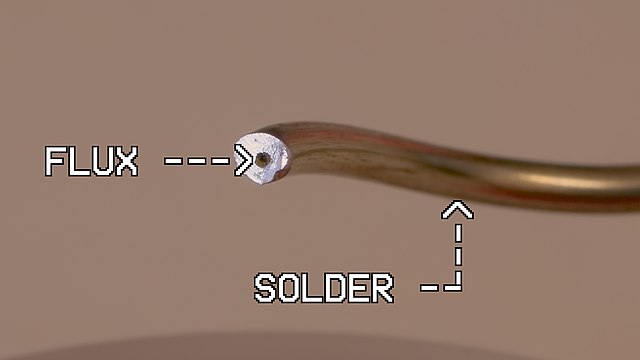
The easiest and most beginner-friendly way to apply flux is by using flux-core solder wire. This type of solder wire already has flux inside it, usually about 1–3%. When you melt the solder, the flux is automatically released to clean and prepare the surface for proper soldering.
If you find your flux-core solder wire isn’t doing the trick, it’s usually because your component leads or PCB pads are heavily oxidized. In these cases, you should add extra flux separately. Just make sure you match it correctly:
Curious about solder itself? Forms of Solder Explained
Flux paste has a thick consistency and is perfect for surface-mount (SMD) components or precision soldering jobs. You can apply it with a brush, toothpick, or syringe to control exactly how much and where you place it.
Flux paste makes soldering easier by holding components in place and allowing solder to flow smoothly. Ideal when soldering tiny, tricky components.
Liquid flux is great for precise application on solder joints. It’s commonly applied using a cotton swab, small brush, pipette, or syringe. This type of flux is very versatile for general-purpose electronics work.
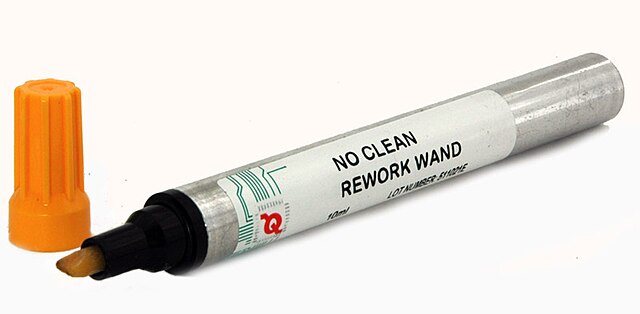
Flux pens are essentially liquid flux in a convenient pen form. They’re simple and handy for quickly applying flux exactly where needed without mess or waste. Ideal for quick jobs or small touch-ups on your circuit.
Flux generally comes in two classifications: Organic (used for electronics) and Inorganic (used for plumbing or industrial applications).
Important note:
Water-soluble flux is super aggressive at cleaning oxidation. The residues from this flux must be thoroughly rinsed off with water after soldering, as they can cause severe corrosion if left on the board.
Important tips for Water-Soluble Flux:
Only use water-soluble flux as a last resort when other flux types fail to clean heavily oxidized parts.
Choosing the right flux isn’t complicated once you understand the basics. Here’s a quick recap:
Flux isn’t flashy, but it’s your best friend when soldering. Pick the right one, and you’ll save yourself a ton of headaches down the road.
Happy soldering!
A: No. Nope. Never.
Plumbing flux is acidic, meant for copper pipes. It will corrode your PCB, damage components, and possibly kill your whole circuit. Stick to electronics-safe flux only.
A:
You technically can, but it’s not recommended. Some fluxes leave residue that others can’t clean, or they might react chemically. Best practice: stick with one type throughout your project.