Physical Address
304 North Cardinal St.
Dorchester Center, MA 02124
Physical Address
304 North Cardinal St.
Dorchester Center, MA 02124

So you’ve got your solder and flux figured out — awesome.
If not, check out: What is Solder? (And How to Choose the Right One)
Still confused about flux? What is Flux and Why It Matters in Soldering
Now let’s talk tools.
You don’t need a massive toolbox to get started with electronics soldering, but having the right gear makes all the difference — in both results and safety.
Here are the must-have tools (and some recommendations) to help you get clean, solid joints every time.
The most important piece of gear is, obviously, the soldering iron. It’s what transfers heat to melt solder and form the electrical connection between components and pads. Without it, you’re basically waving solder wire in the air hoping something magical happens.
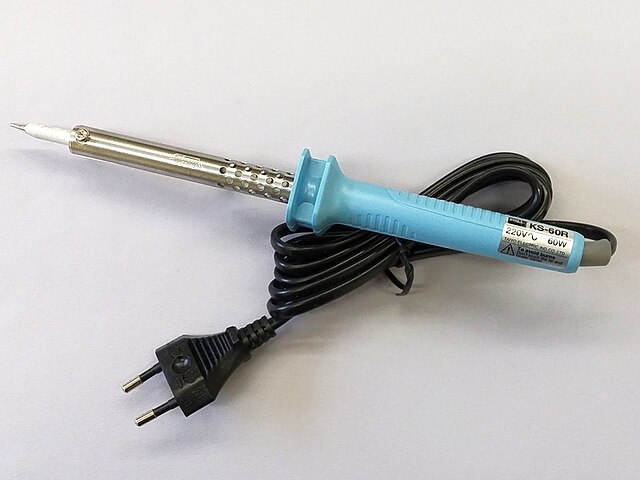
Soldering irons vary in wattage, form factor, and temperature control — all of which impact your results.
For beginners, look for a soldering iron in the 60W range with temp control — it strikes a good balance between affordability and performance.
Here’s a quick comparison of common types:
| Type | Best For | Pros | Cons |
|---|---|---|---|
| Soldering Gun | Heavy wires, connectors | Fast heating, high power | Bulky, not PCB-friendly |
| Basic AC Iron | Beginners, wire work | Cheap, plug-and-play | No temp control, can overheat |
| Soldering Pen | General electronics, PCBs | Precise, small tip | Varies in quality, no temp control in cheap ones |
Recommendation:
Try this entry-level soldering pen on Amazon — great for Arduino and small DIY jobs.
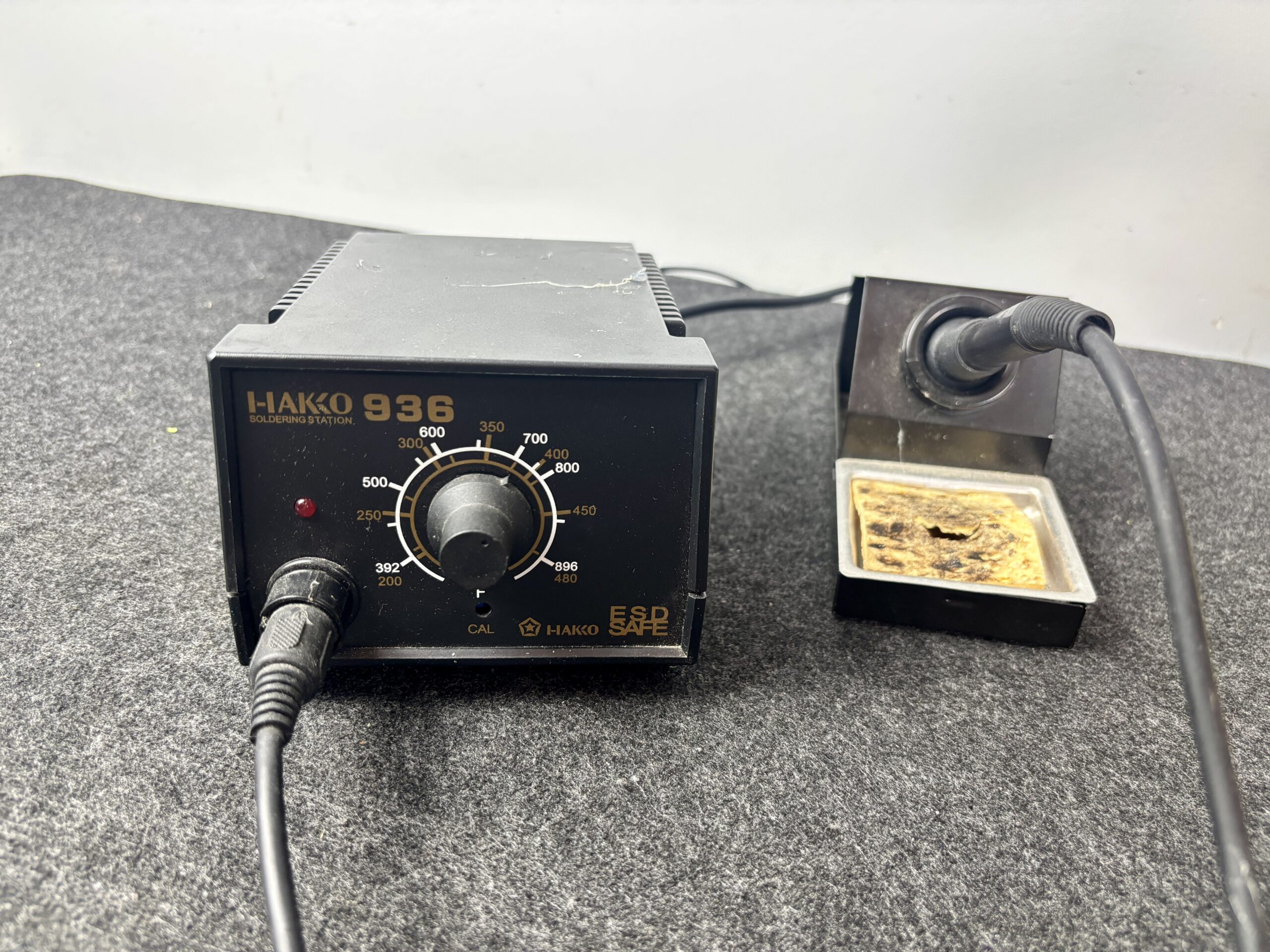
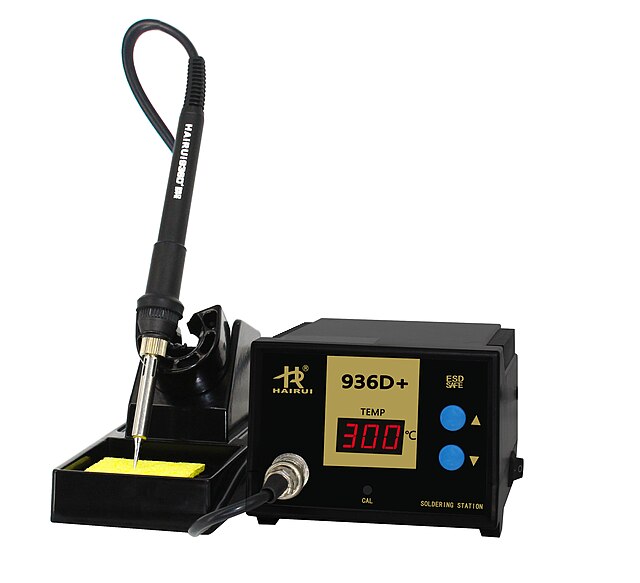
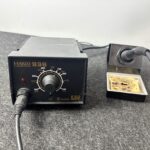
Soldering station gives you far more control and consistency than a basic iron — and once you try one, it’s hard to go back. Unlike standalone plug-in irons, a station is a complete setup that combines several key components to make your soldering workflow smoother and safer.

At the heart of it is a higher-quality soldering iron, usually detachable and better balanced in the hand. It’s connected to a control unit that lets you adjust the temperature precisely — which is especially helpful when switching between different types of solder, like leaded and lead-free, or when working with heat-sensitive components. With a basic iron, you’re stuck with whatever temperature it happens to run at. But with a station, you can dial it in exactly where you need it, improving both the quality and reliability of your joints.
Most stations also come with a built-in stand to hold the iron safely when not in use. This usually includes either a damp sponge or a brass cleaner to help keep the tip clean and properly tinned during your work. A clean tip means better heat transfer and smoother solder flow — and trust me, that makes a world of difference.
Some modern soldering stations even come with extra features like sleep mode (to preserve your tip), digital temperature displays, or the ability to swap out tips easily. But even the basic ones already offer a huge leap forward in control and efficiency compared to budget irons.
In short, if you’re soldering more than just the occasional wire, a station isn’t just an upgrade — it’s a game-changer.
Here’s how the options stack up:
| Station Type | Temp Control | Accuracy | Best For | Notes |
|---|---|---|---|---|
| Analog Station | Yes (dial) | Medium | Hobbyists, general work | Affordable starter option |
| Digital Station | Yes (digital) | High | Precision work, SMD | Great for heat-sensitive parts |
| Rework Station | Yes + extras | High | Advanced repair, BGA | Includes hot air, tweezers |
If you’re using lead-free solder or working with tiny components, a digital station is so worth it.
🛠️ Top pick: Digital soldering station with temp control
This page includes affiliate links. I may earn a small commission if you purchase through them – at no extra cost to you.
Ever used a cheap iron and had no idea where to safely place it while hot? Yeah… not fun. You either end up balancing it on the edge of your table like it’s some kind of dangerous art installation, or worse — letting it touch things it absolutely shouldn’t. Trust me, a hot soldering iron doesn’t care if it’s resting on your plastic wire spool, your nice wooden desk, or even your own cable sleeve.
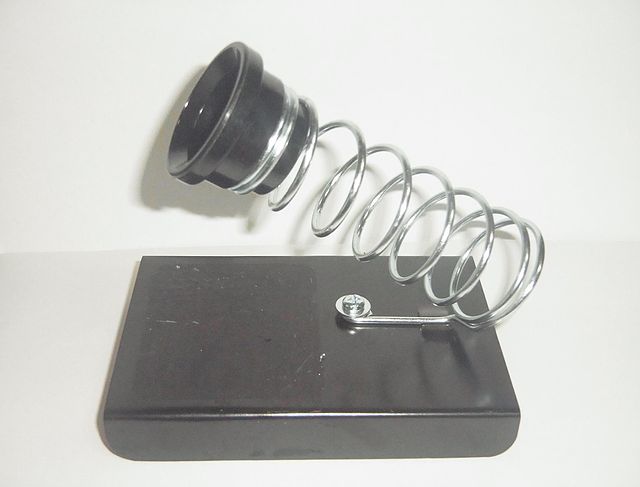
That’s why a proper soldering stand is non-negotiable. It’s not just about convenience — it’s about safety and efficiency. When you’ve got a stable, purpose-built holder, you can confidently set your iron down between tasks without the anxiety of starting a fire or melting half your workspace. Most stands include a sponge tray or a brass wire cleaner too, which helps keep the tip clean and performing well — especially important for long soldering sessions.
And here’s the kicker: even a solid, spring-type holder costs less than the damage you might cause without one. Whether you’re soldering for five minutes or fifty, that peace of mind is worth every cent.
| Holder Type | Stability | Extras | Best Use |
|---|---|---|---|
| Prop-Up Stand | Low | None | Bare minimum |
| Spring-Type Holder | Medium | Sponge tray sometimes | General use |
| Pro Holder | High | Sponge, brass cleaner, tip rack | Advanced setups |
Pro Tip: NEVER leave a hot iron lying on your table. Always use a stand to avoid burns (or worse — fire).
Suggested tool: Heavy-duty soldering stand with cleaner
Besides the main gear above, these tools will make your soldering experience 10x better:

[…] New to soldering? Start with our guide: Essential Soldering Tools for Beginners […]
[…] New to soldering? You might also like: Essential Soldering Tools for Beginners […]